Concerned about colic-like crying, reflux, feeding or latching difficulties, a preferred head position, or a developing flat spot? Learn whether a gentle pediatric osteopathy assessment may be appropriate for your baby.
Book Your Baby's Assessment Call 416-877-8020Parents often arrive knowing what they are seeing — persistent crying, feeding difficulty, a preferred head position, or a developing flat spot — without knowing whether osteopathy may be relevant.
Pediatric osteopathy uses gentle, hands-on assessment to consider movement, posture, mobility, and comfort. After the assessment, the osteopath will explain whether complementary care appears appropriate and what other support may be helpful.
Osteopathy does not diagnose the medical cause of colic-like crying, reflux, feeding concerns, head-shape changes, or sleep difficulties. It works alongside your baby's pediatrician and other regulated healthcare professionals.
Sessions are calm and baby-led, using light touch without cracking, twisting, or high-force movements.
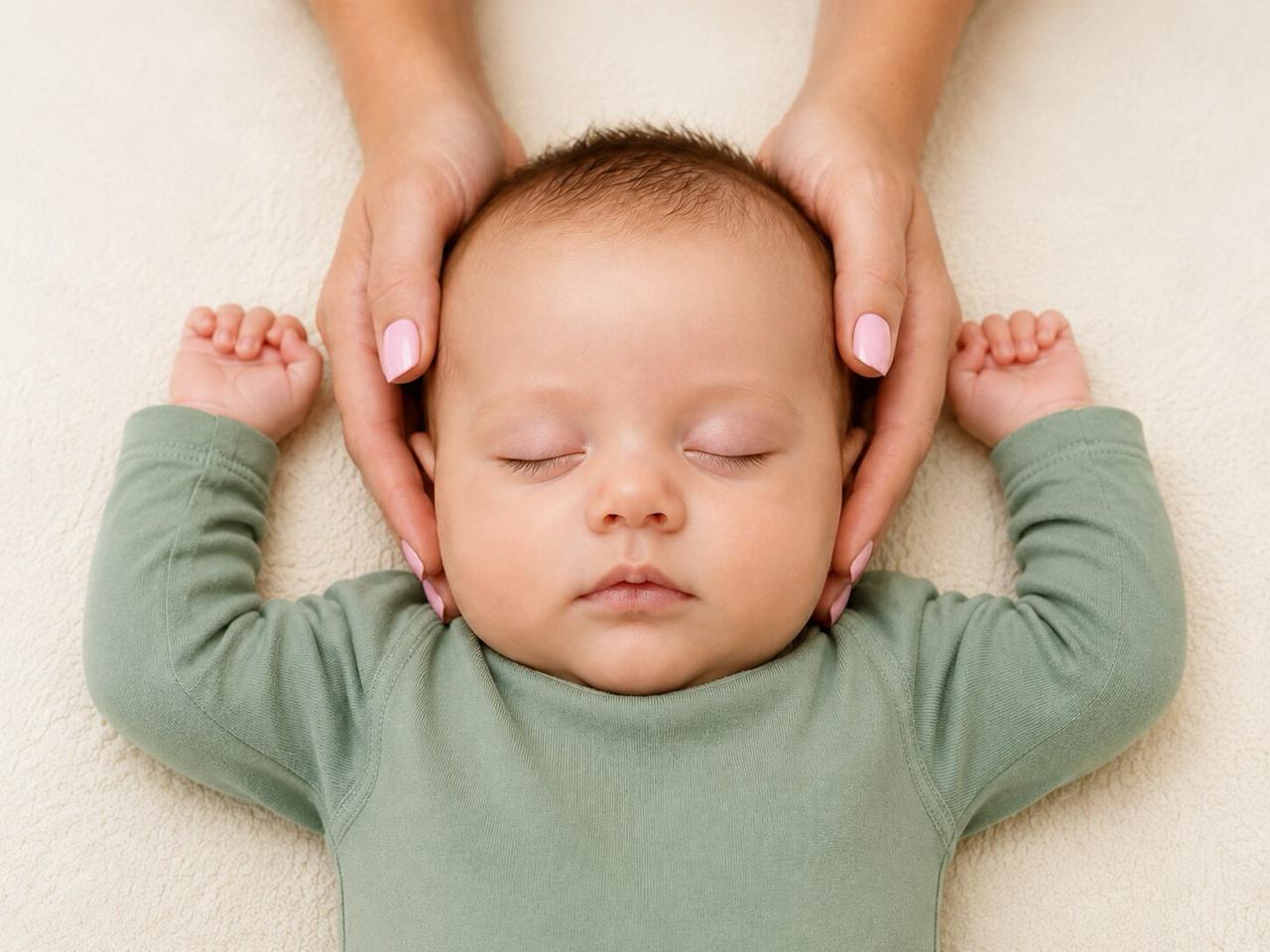
Gentle assessment from infancy through the teenage years
Not sure where to start?
Tell us what you are noticing. We can explain the assessment process and whether osteopathic care may fit alongside your baby's existing care team.
Medical care comes first: Pediatric osteopathy is complementary care and does not replace pediatric medical care. Contact a physician or appropriate regulated healthcare professional for new, severe, worsening, or unexplained symptoms, and seek urgent care when necessary.
These concerns can have many causes. Our assessment considers movement, mobility, posture, and comfort; it does not replace medical, pediatric, lactation, or physiotherapy assessment.
Parents may ask about osteopathy when a baby cries persistently or has difficulty settling. Evidence for manual therapy in infantile colic is limited and still developing. Outcomes vary, and persistent or concerning crying should be discussed with your baby's pediatrician.
Reflux can have medical, feeding, and developmental causes. After appropriate medical assessment, parents may explore complementary support for comfort and movement. Osteopathy does not diagnose or treat GERD.
A developing flat spot should be assessed by your baby's pediatrician or another appropriate regulated professional. An osteopathic assessment may consider head-position preference, neck mobility, and comfort alongside medical and positioning guidance.
A baby who consistently prefers turning one way should be evaluated. A gentle osteopathic assessment may consider neck and trunk mobility while working alongside pediatric or physiotherapy guidance.
Feeding concerns may require pediatric, lactation, dental, or speech-language assessment. Osteopathic assessment may consider jaw, neck, and body comfort and movement as complementary care.
Sleep and settling difficulties can have many causes. After medical concerns are assessed, parents may ask whether comfort, posture, or movement could be considered as part of a broader care plan.
Parents may ask about an assessment after delivery. Suitability is considered individually, and newborn medical or feeding concerns should always be discussed with the appropriate healthcare professional.
Osteopathic assessment can be adapted to age, comfort, and presentation, while remaining complementary to appropriate medical and regulated healthcare.
Gentle assessment of movement, comfort, head-position preference, and feeding mechanics.
Mobility, posture, comfort, preferred head position, and concerns parents notice during feeding or settling.
Movement, posture, and comfort concerns during rapid growth and changing activity.
Mobility, posture, and activity-related discomfort, alongside medical care when needed.
Posture, mobility, and activity-related comfort through growth and changing physical demands.
Comfort comes first: Sessions are calm and baby-led. You can feed, hold, soothe, or take a break whenever your baby needs. Bring their blanket, soother, and anything that helps them feel comfortable.
We start with a detailed conversation about birth history, delivery, feeding, movement, settling, and what you have noticed. Medical or other professional assessments are also considered.
With your baby comfortable — often held by you or lying on the table — we observe movement, head-position preference, neck and body mobility, posture, and comfort.
If care appears appropriate, the osteopath uses light-touch manual techniques based on the assessment. There are no cracking, twisting, or high-force movements, and your baby can be held by you throughout.
When appropriate, we may discuss gentle positioning or movement ideas and explain when pediatric, lactation, physiotherapy, or other regulated care should be considered.
No set number of sessions is appropriate for every baby. After the assessment, we will explain whether care appears suitable and discuss an individualized plan. Results and timelines cannot be guaranteed.
We offer gentle osteopathic assessment for babies, children, and families throughout the GTA.
Book a gentle pediatric osteopathy assessment in the GTA. We will listen to your concerns, explain the process, and work alongside your baby's healthcare team.
Book Baby's Assessment